

Foot & Ankle Injury Rehab — Gold Coast
Rebuild true ankle stability by correcting the hip and pelvic mechanics that cause repeated sprains and ligament injuries.
Foot and ankle injuries are rarely “just an ankle problem.”
Whether you’ve had an ATFL ligament tear, a high ankle sprain (syndesmosis), chronic ankle ligament injury, or a plantar plate tear, the root cause usually sits much higher up the chain.
When the hips, tibia and pelvis don’t rotate in sync, the ankle becomes the primary stabiliser — and that’s when sprains, instability and slow healing happen.
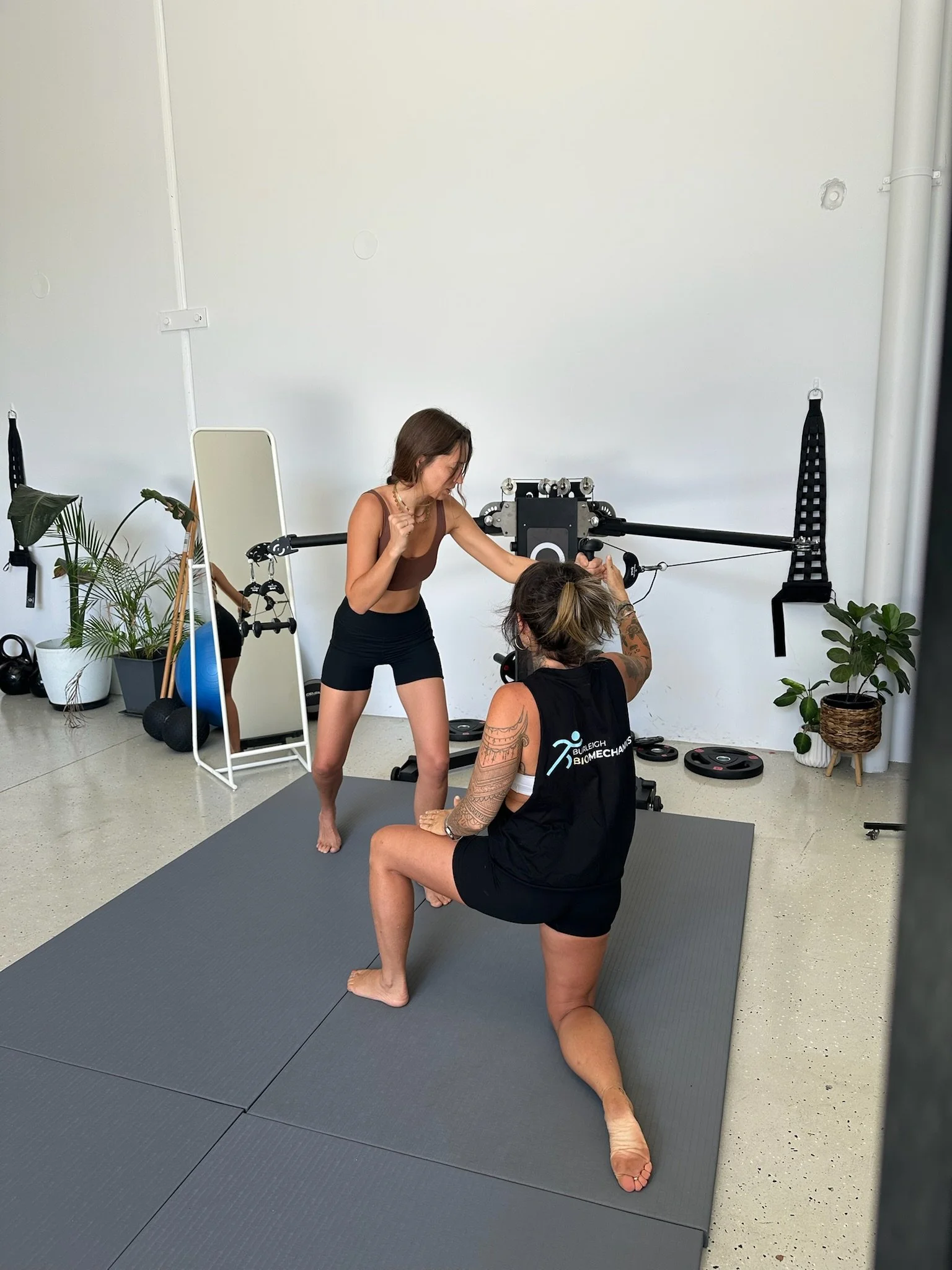
At Burleigh Biomechanics, we use Functional Patterns methodology and detailed gait analysis to identify exactly why your ankle keeps getting overloaded — and then we correct the pattern from the top down.
If your ankle keeps “going” on you, this page explains why.
Why Foot & Ankle Injuries
Keep Coming Back
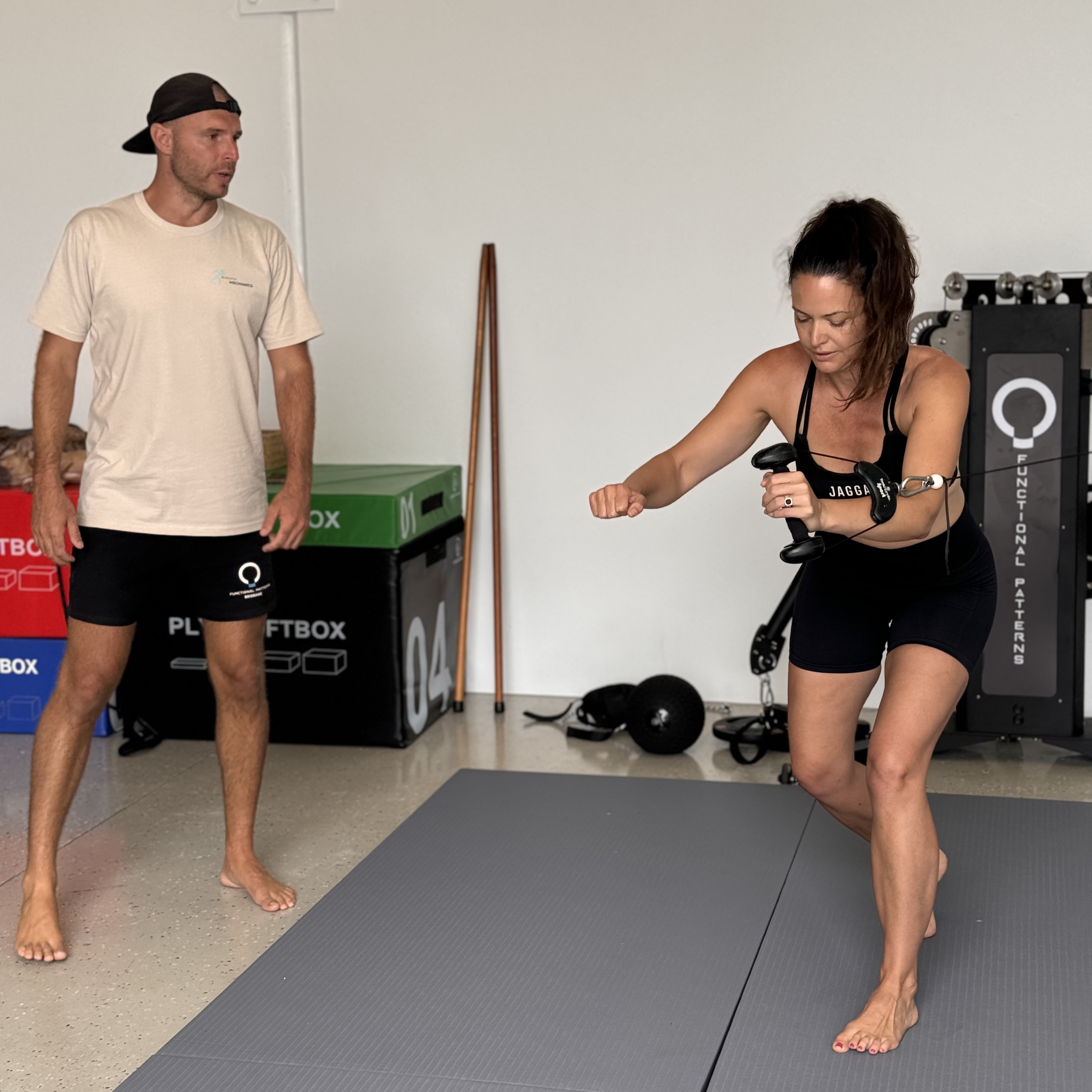
Traditional treatment focuses on the ankle itself:
taping, bracing, balance drills, band exercises, rest.
But research in running and movement biomechanics shows that the ankle is often the victim, not the cause.
Ankles get re-injured because:
The hip isn’t stabilising your pelvis
Tibial rotation isn’t syncing with foot strike
The ribs and pelvis aren’t stacked over the ankle
The foot tripod collapses under load
The ankle is compensating for poor whole-body mechanics
This leads to:
Recurring ankle sprains
Slow ligament healing
Syndesmosis pain on and off for months
Chronic instability
Forefoot overload and plantar plate irritation
Pain when walking, running, cutting or changing direction
Symptoms that return even after tape or an ankle brace
At Burleigh Biomechanics, we identify the root movement pattern driving the injury so it doesn’t keep happening.
“Recurrent ankle sprains are strongly associated with deficits in proximal hip control and altered lower-limb kinematics.”
— Journal of Orthopaedic & Sports Physical Therapy
Our Root-Cause Ankle Rehab Approach
We fix the pattern — not just the tissue.
Gait & movement analysis
We assess how your hips, pelvis, knees and feet share load during walking and running.
Hip–pelvis–tibia sequencing
We correct the rotational chain responsible for recurring ankle sprains.
Foot tripod retraining
A stable, resilient foot locks your ankle into the right position automatically.
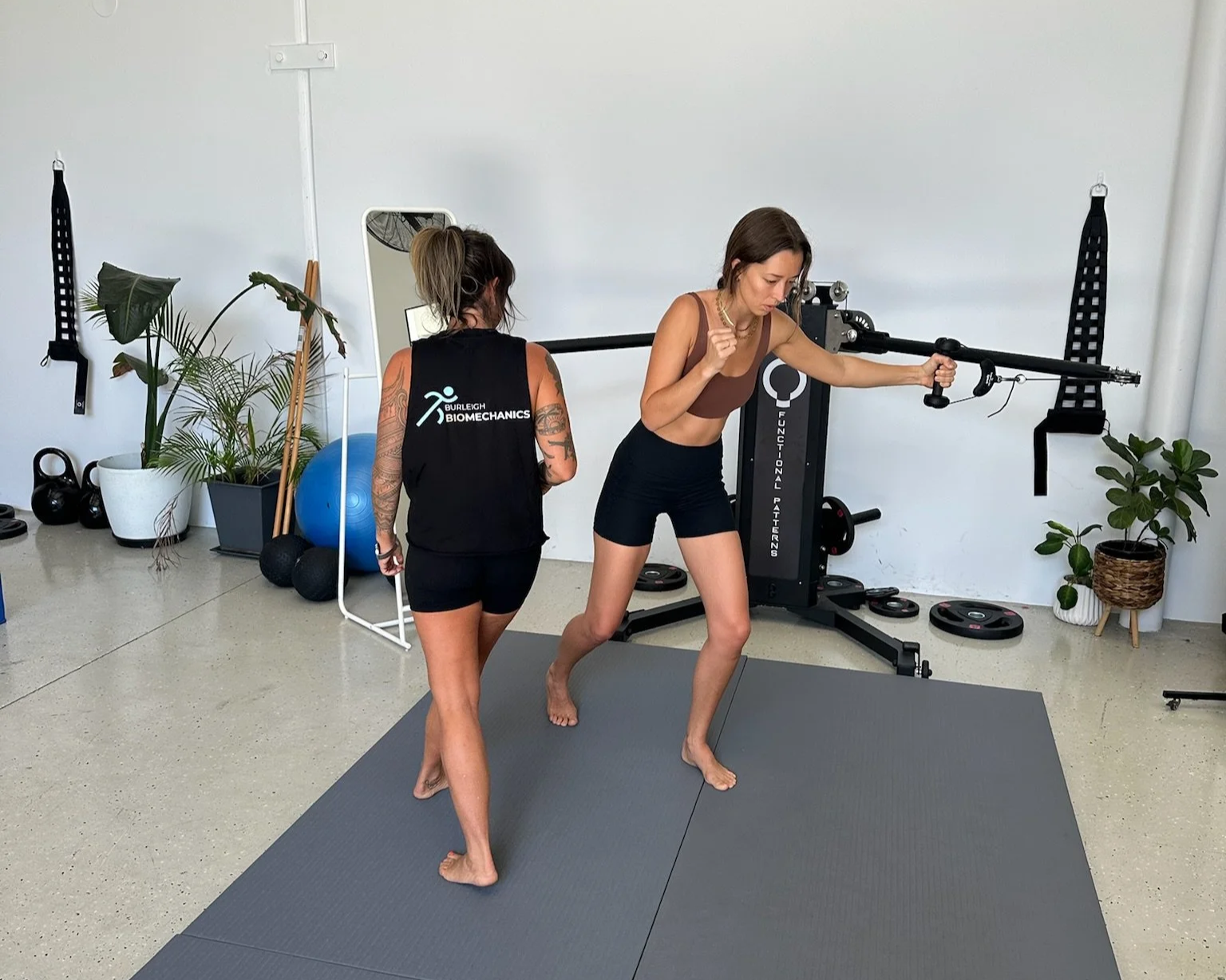
Rotational correction drills
We rebuild the global movement patterns that protect the ankle.
Dynamic stability training
Functional Patterns movement restores controlled, elastic ankle stability under real-life forces.
Strengthening that mimics real movement
We program movements that integrate the foot, ankle, hip and trunk — the way your body actually uses them.
Conditions We Treat
Ready to see how your mechanics are affecting your injury recurrence & recovery time?
-
Ligaments overstretch when they’re asked to stabilise the body instead of just the ankle.
We rebuild hip and pelvic stability, improve tibial rotation, and strengthen your foot mechanics so the ligaments aren’t constantly under stress. -
ATFL tears reoccur when the foot collapses inward or the tibia rotates without the hip supporting it.
We retrain the foot tripod, build rotational control, and stabilise the pelvis so the ATFL can heal and stay stable. -
High ankle sprains are rotational injuries — not just lateral sprains.
We fix the pelvic and tibial rotation patterns that keep pulling on the syndesmosis, leading to faster healing and fewer flare-ups. -
Recovery time varies widely depending on your mechanics.
By correcting hip-pelvis-tibia timing, we improve healing speed and help you regain stable, pain-free movement sooner. -
Braces can prevent short-term instability but do nothing to correct the mechanical overload.
We use braces only as temporary support while retraining proper movement patterns. -
Tape can reduce irritation and give temporary feedback — but it cannot fix the cause of repeated ankle sprains.
We address the full kinetic chain so tape becomes unnecessary. -
Plantar plate injuries occur when excessive load shifts into the forefoot.
We correct the cause: pelvic rotation faults, poor hip extension, collapsed foot tripod, and over-stride patterns. -
Our root cause approach allows us to manage and reduce a wide range of foot and ankle conditions.
If it relates to the way you move, we can help!
Who This Helps
This page is for you if:
Your ankle keeps spraining even with good shoes
You’ve rolled the ankle more than once and now feel “loose”
Your syndesmosis injury never fully recovered
You overpronate or collapse through the foot
You get forefoot pain or plantar plate irritation
You feel unstable when running, cutting, hiking or trail running
You’re hypermobile and need structured stability
You want long-term correction, not temporary taping or bracing
How Do Our Clients Feel?
-
My training with Jen has been very encouraging and educational. I have a large repertoire of exercises I can take home and integrate into my daily life. The other benefits which have been notable are nervous system regulation, improved sleep and no more hip and knee pain! Thank you Jen!
Adrianna, 5 Star Google Review
-
I am able to stand for long periods of time without feeling pain in my hips and lower back, which I haven’t been able to do for years. Functional Patterns has really helped me being able to complete daily activities without pain.
James, 5 Star Google Review
-
I was in constant pain prior to starting and had been for 5 years due to old accidents and bad posture. I'm still learning techniques at the moment but my pain has reduced considerably and I'm feeling less anxious as a result.
Joanna, 5 Star Google Review
Book An Initial Appointment
Here’s What You’ll Get in Your First 90 Minutes
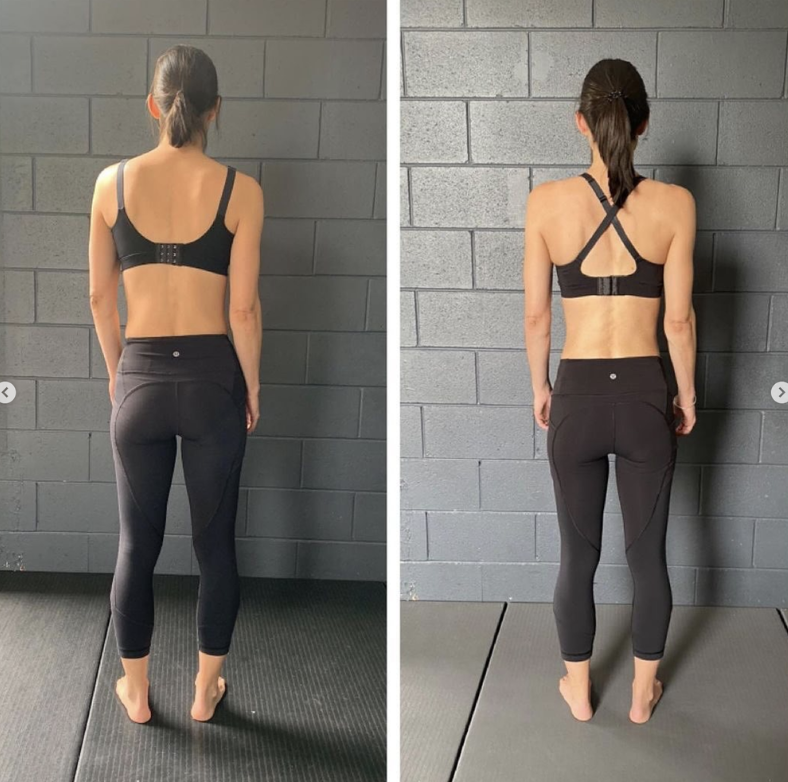
A full gait + posture assessment
We analyse how your body actually moves—not just where it hurts.Clear diagnosis of what’s driving your pain
You’ll leave knowing exactly which patterns are causing the problem.A personalised plan that actually holds
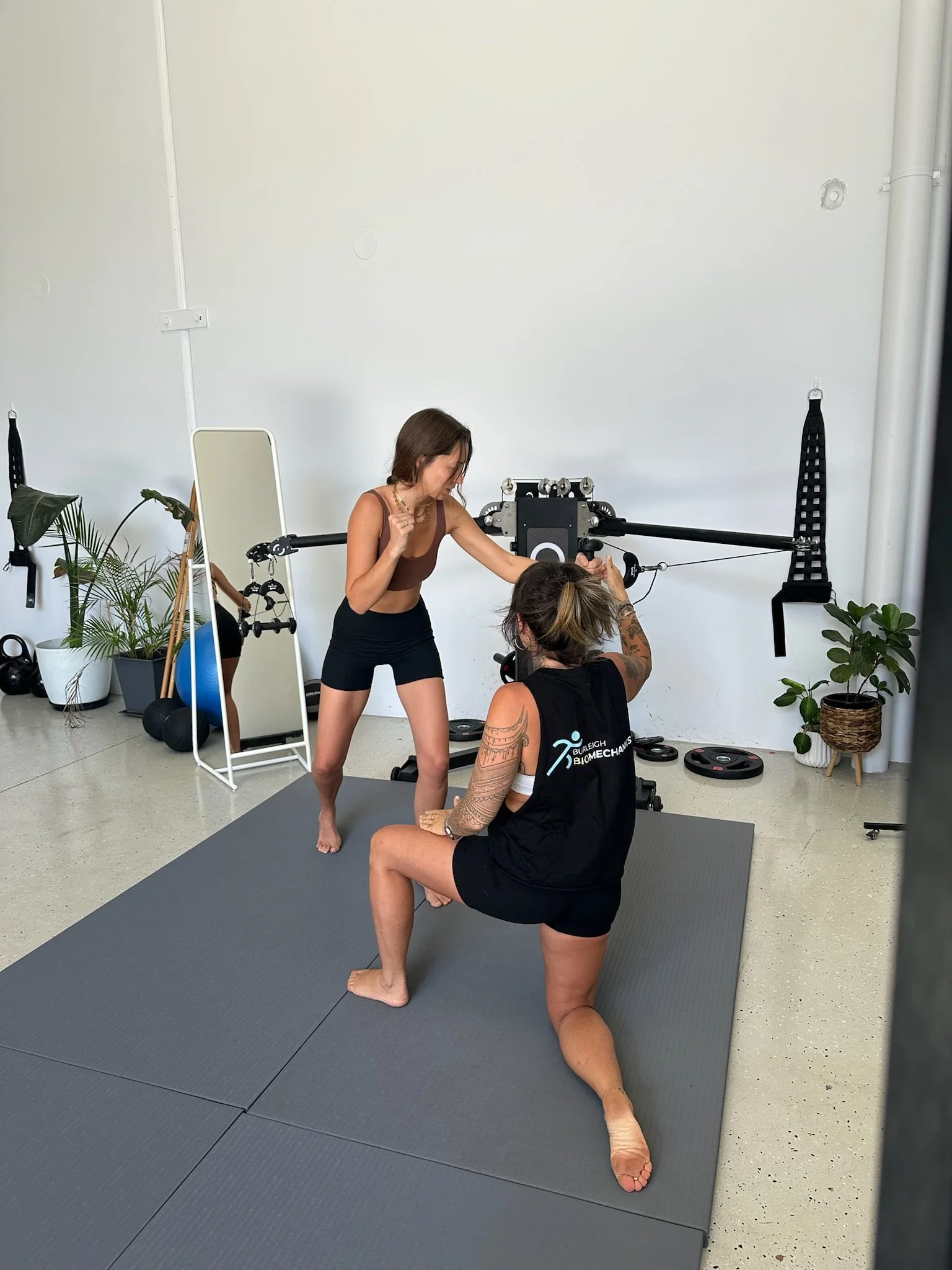
No generic exercises. Precise, FP-based sequencing matched to your body.Immediate hands-on corrections
We start improving muscle timing, rotation, and symmetry in session one.A roadmap for long-term change
Feel the difference now, and know the exact steps to keep improving.



How Do Our Clients Feel?
-
After a road traffic accident 2 years ago my body encountered a mix of injuries that occured within that time. I don't quite know where I would be if I hadn't found this high-quality, dependable and specialised approach. The education and training is completely impressive!.
Carey, 5 Star Google Review
-
Jen is a great mentor with a deep understanding of the body. It has helped me better understand my own body and scoliosis. I have been able to increase my strength and movement and reduce my back pain.
Hayley, 5 Star Google Review
-
Been training with Louis 6+ years and have seen massive improvements in my posture and gait cycle which has lead me to living pain-free from previous injuries such as shoulder pain, quad tears and bone impingement in my ankle. The attention to detail from the practitioners is unmatched
Luke, 5 Star Google Review
FAQs
What causes ankle sprains to keep happening?
Recurring ankle sprains usually happen when the hips, pelvis and tibia aren’t controlling rotation properly, forcing the ankle to take excessive load. Until the movement pattern is corrected, the sprain cycle continues even with tape or bracing.
How long does an ankle ligament or ATFL injury take to heal?
Ligament healing varies depending on how well the lower limb and pelvis are controlling movement. When gait mechanics are corrected early, ATFL and ankle ligament injuries typically stabilise faster and with fewer reinjuries.
Is rehab different for a high ankle sprain (syndesmosis)?
Yes — syndesmosis injuries involve rotational forces, not just inversion. Effective rehab must address tibial rotation, hip stability and pelvic control. Treating the ankle alone often leads to long-term sensitivity.
Do I still need to use an ankle brace or tape?
Braces and tape can provide short-term support, but they don’t fix the underlying mechanics causing the instability. We only use them temporarily while rebuilding proper hip, knee and foot control.
Can biomechanics help plantar plate pain?
Absolutely. Plantar plate overload occurs when the forefoot absorbs too much force due to poor pelvic rotation or foot tripod mechanics. Correcting whole-body mechanics reduces forefoot strain and helps the plantar plate recover.
What do you do in an ankle rehab session?
We assess how you move, film your gait, analyse hip–pelvis–tibia coordination, and rebuild the mechanics that stabilise your ankle naturally. You’ll learn drills that improve rotation, foot mechanics and load distribution — not generic balance exercises.
Is this suitable for hypermobile people?
Yes. Hypermobility often makes ankles feel unstable or easily rolled. Our approach improves stiffness, control and coordination throughout the chain, giving hypermobile clients far more predictable movement.
Will this help if I’ve already tried physio or chiro?
Most likely. Many traditional approaches focus on the ankle itself, but chronic ankle instability usually comes from poor global mechanics. We treat the root cause — how your body moves — not just the injured joint.
Do you treat runners with ankle pain or sprains?
Yes. Runners often develop syndesmosis pain, ATFL tears or recurrent sprains due to poor pelvis–hip rotation or foot collapse. Our biomechanics approach is ideal for restoring safe, efficient running.
How many sessions will I need?
This depends on the severity of the injury and how long the movement pattern has been present. Most clients see meaningful improvements within their first few sessions once the mechanics are corrected.
Free 3-Page Guide
The 5 Mistakes That Keep Injuries Coming Back
Learn what’s preventing your injury from fully resolving — and how to fix the underlying movement pattern for good.

Areas We Serve
We help clients from across the southern Gold Coast, including:
Burleigh Heads
Palm Beach QLD
Miami
Currumbin
Tallebudgera
If you’re searching for a Burleigh physio, Palm Beach physiotherapy, or even acupuncture in Burleigh, we’re right here on the border of Burleigh and Palm Beach.