
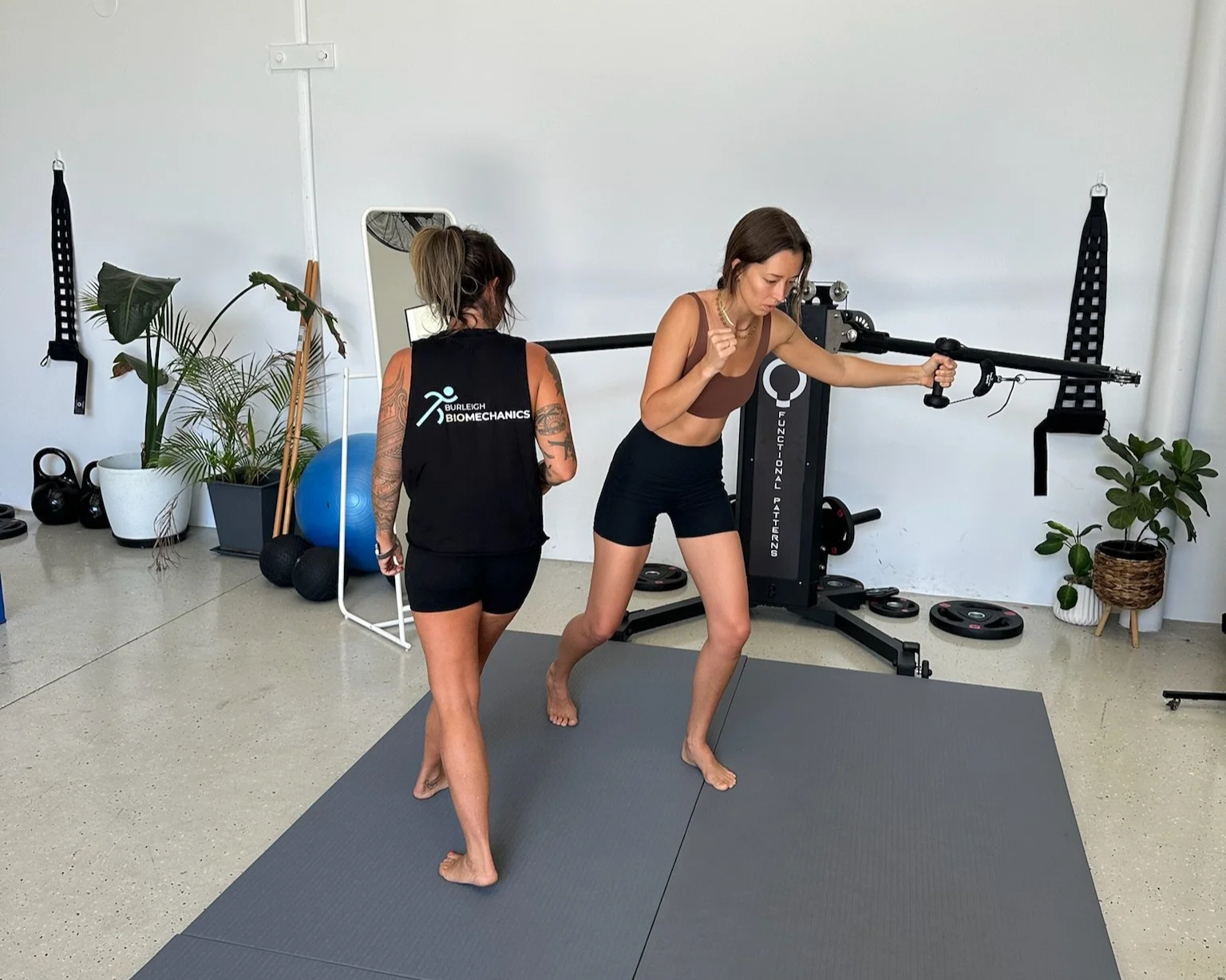
Ehlers Danlos Syndrome (EDS) & Dysautonomia Rehab — Gold Coast
Biomechanics-led movement therapy for people with hypermobility, EDS, POTS and complex chronic pain who haven’t improved with standard rehab.
If Exercise Makes Your Symptoms Worse — You’re Not Broken
Many people with hypermobility, Ehlers-Danlos syndrome (EDS), dysautonomia or POTS are told they simply need to:
get stronger
stretch more
stabilise their core
do Pilates or yoga
“move gently and consistently”
Yet despite doing everything right, symptoms persist — or worsen.
Pain flares. Fatigue increases. Dizziness persists. Breathlessness shows up. The neck never feels stable. Workouts help one week and derail you the next.
This isn’t a motivation or compliance problem.
It’s a mechanics problem.
Why EDS Hypermobility Changes the Rules of Rehab
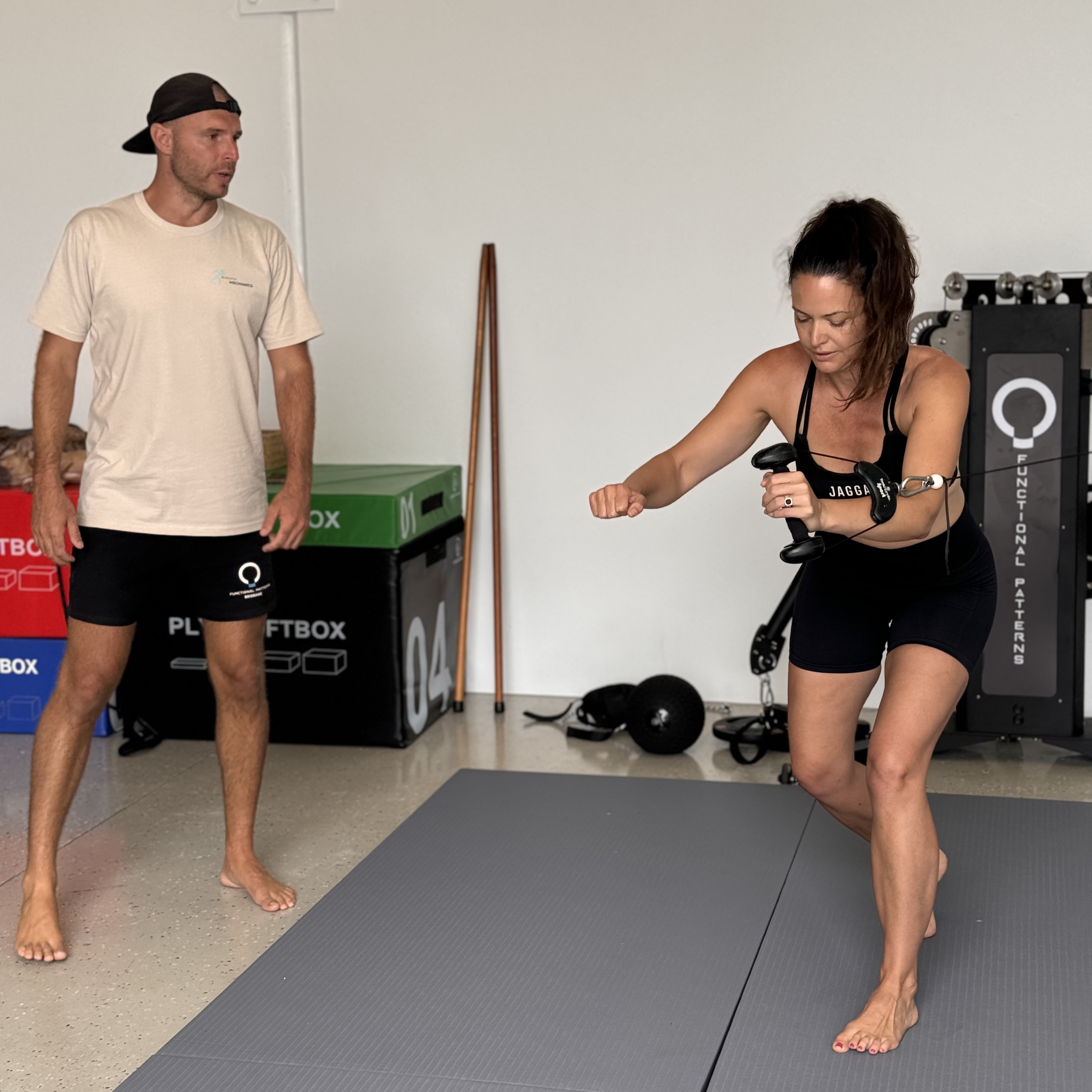
Hypermobility alters how force moves through the body.
Instead of load being stacked efficiently through the feet, pelvis, ribcage and spine, force leaks into joints, soft tissues and the nervous system.
Over time this creates:
joint irritation and instability
poor motor control
excessive muscular guarding
altered breathing mechanics
autonomic stress responses
Trying to “strengthen around” this — without correcting how movement is organised — often adds more stress to an already overloaded system.
Who This Service Is For
This approach may be appropriate if you:
have EDS or Hypermobility Spectrum Disorder
experience POTS or dysautonomia-type symptoms
flare easily after exercise
feel unstable through your neck, hips, ribs or feet
have failed standard physiotherapy or Pilates-based rehab
live with chronic pain, fatigue or exercise intolerance
have overlapping conditions such as fibromyalgia or MCAS
You do not need a formal diagnosis to benefit.
People with Ehlers‑Danlos Syndrome / Hypermobility Spectrum Disorder often live with chronic joint instability, pain, subluxations or dislocations, fatigue and proprioceptive-control issues.
Rehabilitation and tailored movement-based programs — grounded in posture, gait and stability work rather than generic “training hard” — have been shown to improve joint stability, reduce pain and improve function without overloading fragile connective tissue.— Buryk-Iggers S, Mittal N, Santa Mina D, et al. Exercise and rehabilitation in people with Ehlers-Danlos syndrome: A systematic review. BMC Musculoskeletal Disorders. 2022;23(1):102.
What Makes Burleigh Biomechanics Different
We fix the pattern — not just the tissue.
Biomechanics first
We assess how force moves through your body rather than targeting isolated symptoms or muscles. This identifies where load is leaking and causing instability or irritation.
Motor control over strength
In hypermobile bodies, coordination matters more than force. We prioritise timing and sequencing before adding load.
Gait-centred assessment
Walking mechanics reveal how stress accumulates across the system. Gait is used as a reference point for progression, not an afterthought.
Postural organisation
Posture is evaluated as a dynamic system, not a static position. This helps reduce constant compensatory tension.
Breathing mechanics
Breathing patterns influence stability, fatigue and nervous system tone. They are integrated into all movement work, not treated separately.
Nervous system safety
Progression is structured to avoid flare-ups and overloading. The aim is repeatable tolerance, not short-term intensity.
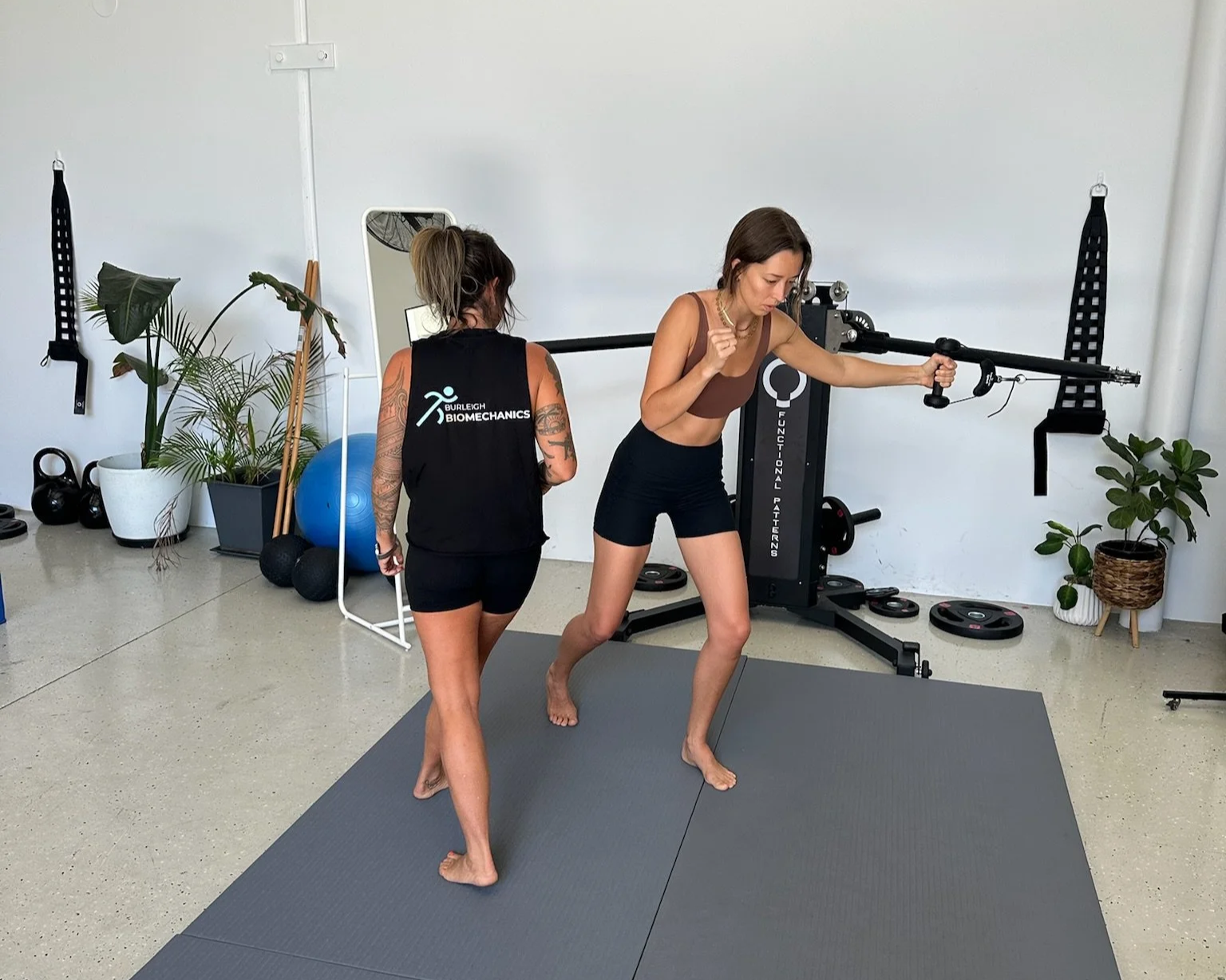
Who This Helps
This approach may be appropriate if you:
have EDS or Hypermobility Spectrum Disorder
experience POTS or dysautonomia-type symptoms
flare easily after exercise
feel unstable through your neck, hips, ribs or feet
have failed standard physiotherapy or Pilates-based rehab
live with chronic pain, fatigue or exercise intolerance
have overlapping conditions such as fibromyalgia or MCAS
You do not need a formal diagnosis to benefit.
Our Biomechanical Approach
-
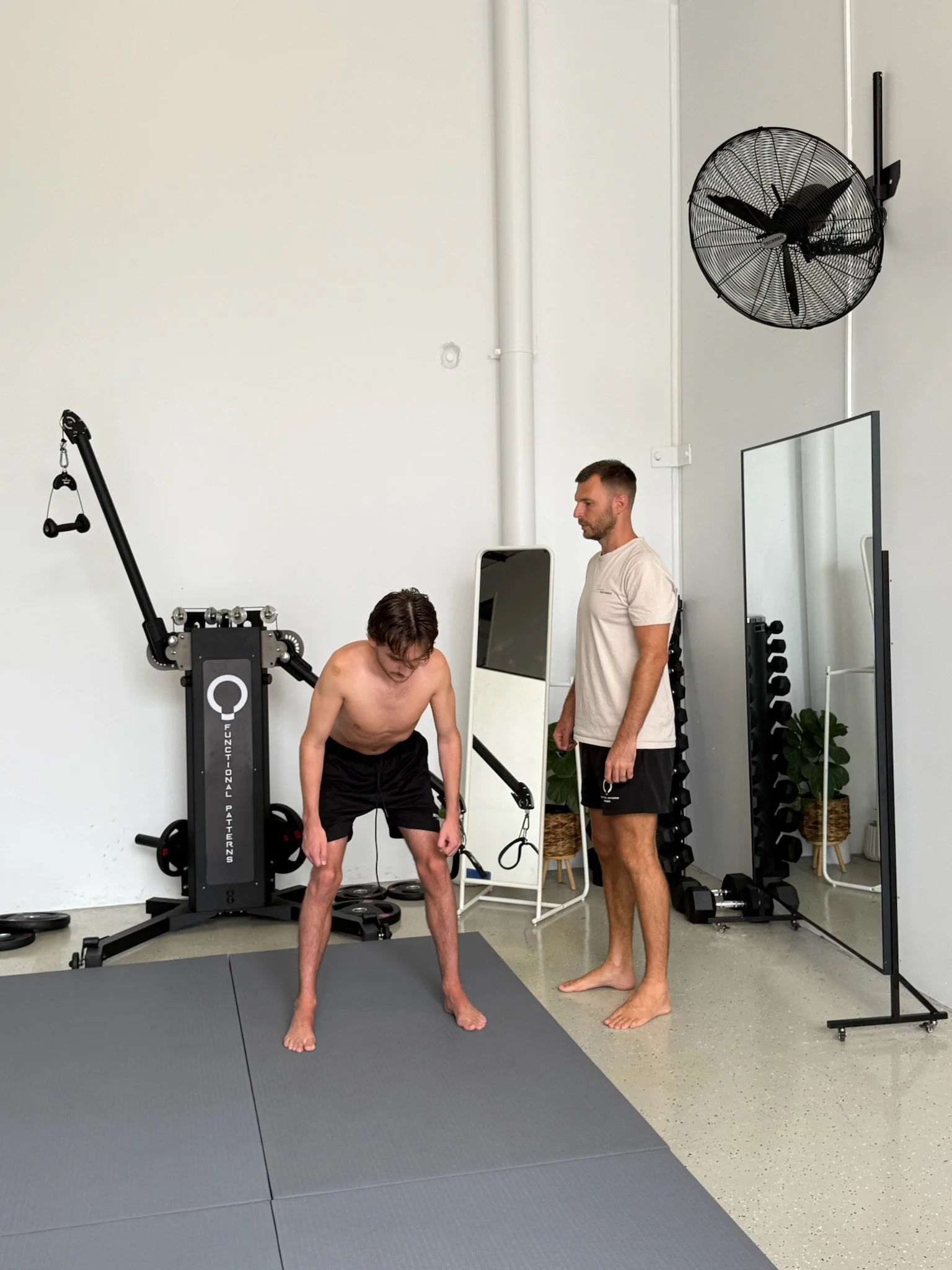
1. Assessment First — Always
We assess:
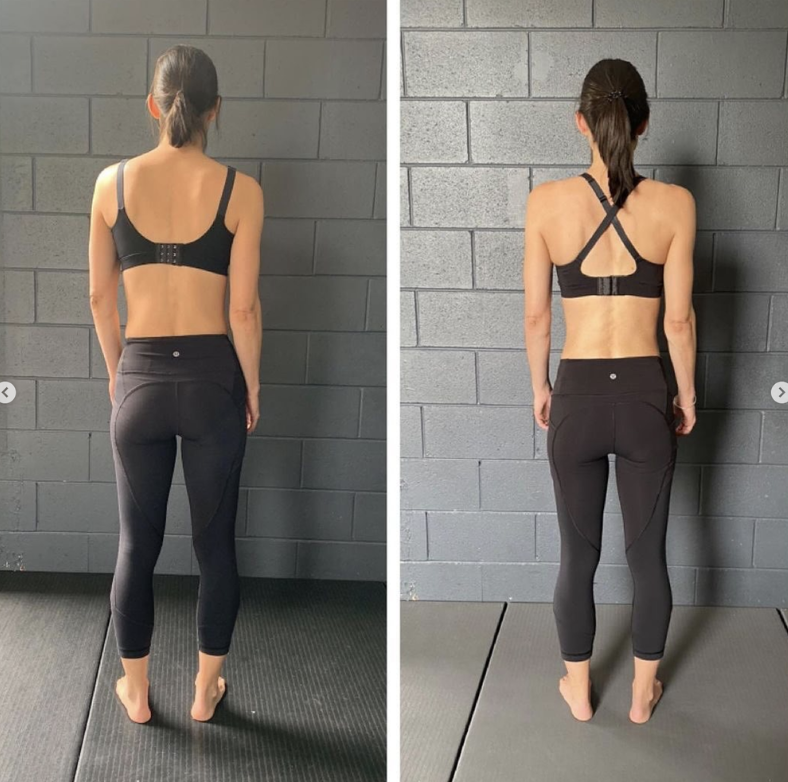
standing posture
walking mechanics
breathing patterns
joint sequencing
balance strategy
cervical and pelvic organisation
This tells us where force is leaking — and why symptoms appear where they do.

-
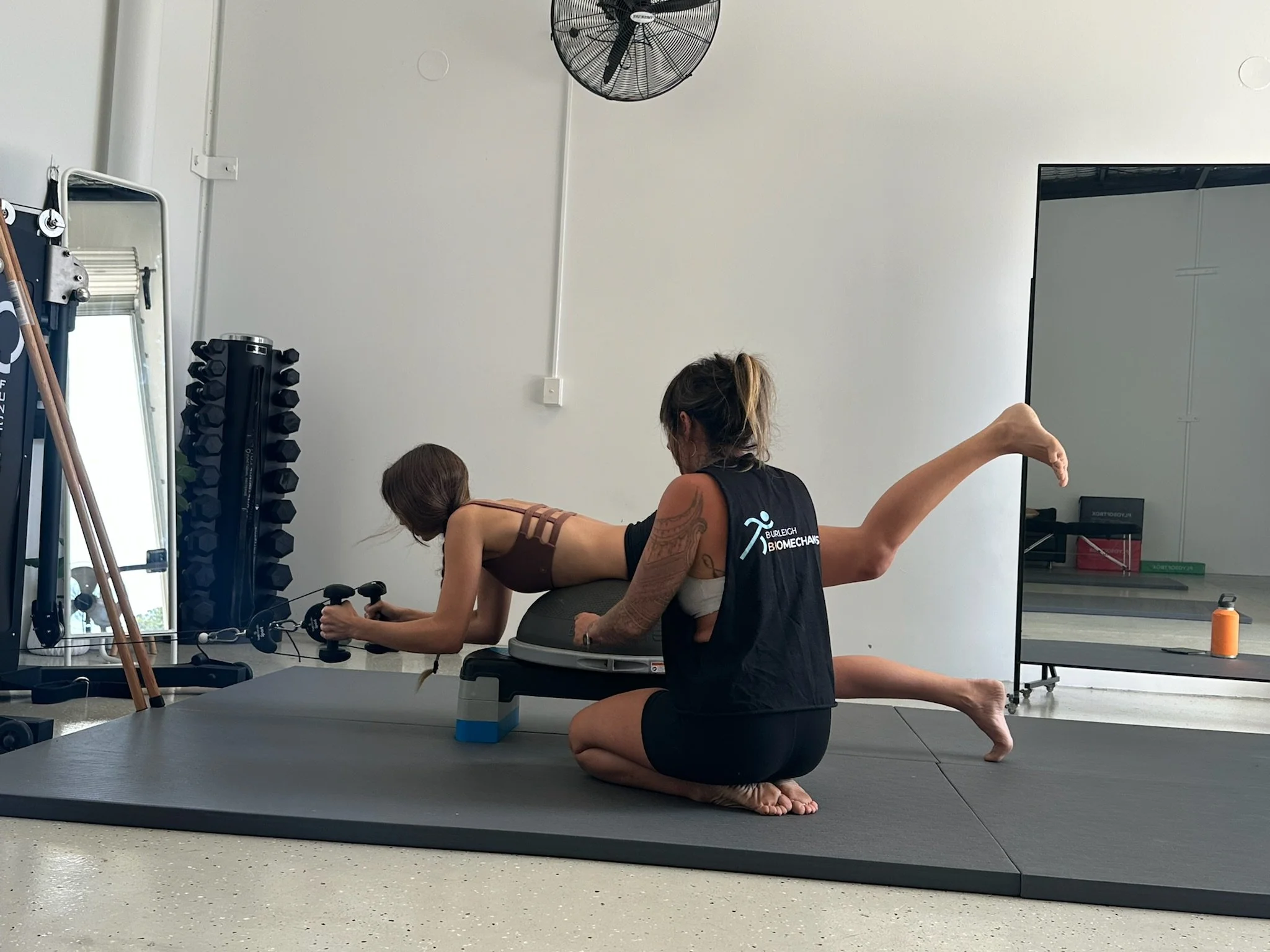
2. Motor Control Before Strength
In hypermobile bodies, strength without control often increases irritation.
We prioritise:
sequencing
timing
coordination
load tolerance
This rebuilds stability from the inside out, rather than bracing or stiffening.
-
3. Gait-Centric Rehabilitation
Walking is the most repeated movement pattern you perform.
Poor gait mechanics magnify:
joint irritation
autonomic stress
fatigue
neck and pelvic strain
We use gait as the central reference point for rehab and progression.
-
4. Nervous System Safety
Constant pain and instability keep the nervous system on high alert.
Our approach:
avoids forced stretching
avoids maximal effort early on
builds tolerance gradually
respects recovery capacity
This makes progress sustainable, not fragile.
Conditions We Support
We don’t diagnose or medically treat conditions — but we frequently work with clients who have been diagnosed with or suspect:
-
Many people with EDS struggle with joint instability, pain, and fatigue due to connective tissue laxity.
Our work focuses on improving how the body distributes load through posture, gait, and coordinated movement, reducing reliance on fragile joints for stability.
-
Hypermobility often leads to overuse of small stabilising muscles and poor force transfer through the body.
We help rebuild global movement coordination so larger systems — not isolated joints — absorb demand during daily activity and training.
-
Clients with autonomic dysfunction often have difficulty tolerating upright posture and exercise.
We prioritise graded load exposure, efficient biomechanics, and nervous-system-safe movement strategies to improve tolerance without flaring symptoms.
-
Fatigue is often worsened by inefficient movement and excessive muscular effort.
Our approach aims to reduce unnecessary energy expenditure by improving alignment, gait mechanics, and load sequencing during movement.
-
People with fibromyalgia frequently experience widespread pain and guarding patterns that limit movement confidence.
We focus on restoring safe, controlled exposure to load and motion while normalising movement patterns that reduce threat and over-effort.
-
Neck symptoms are often compounded by poor integration between the ribcage, spine, and pelvis.
Rather than isolating the neck, we support whole-body mechanics to reduce strain and compensatory tension through the upper spine.
-
Persistent pain in these regions is commonly driven by altered gait and postural compensation.
We assess how forces move through the system and address the upstream movement patterns contributing to localized overload.
-
Our root cause approach allows us to manage and reduce a wide range of foot and ankle conditions.
If it relates to the way you move, we can help!
Why “Gentle Exercise” Often Fails in Hypermobility
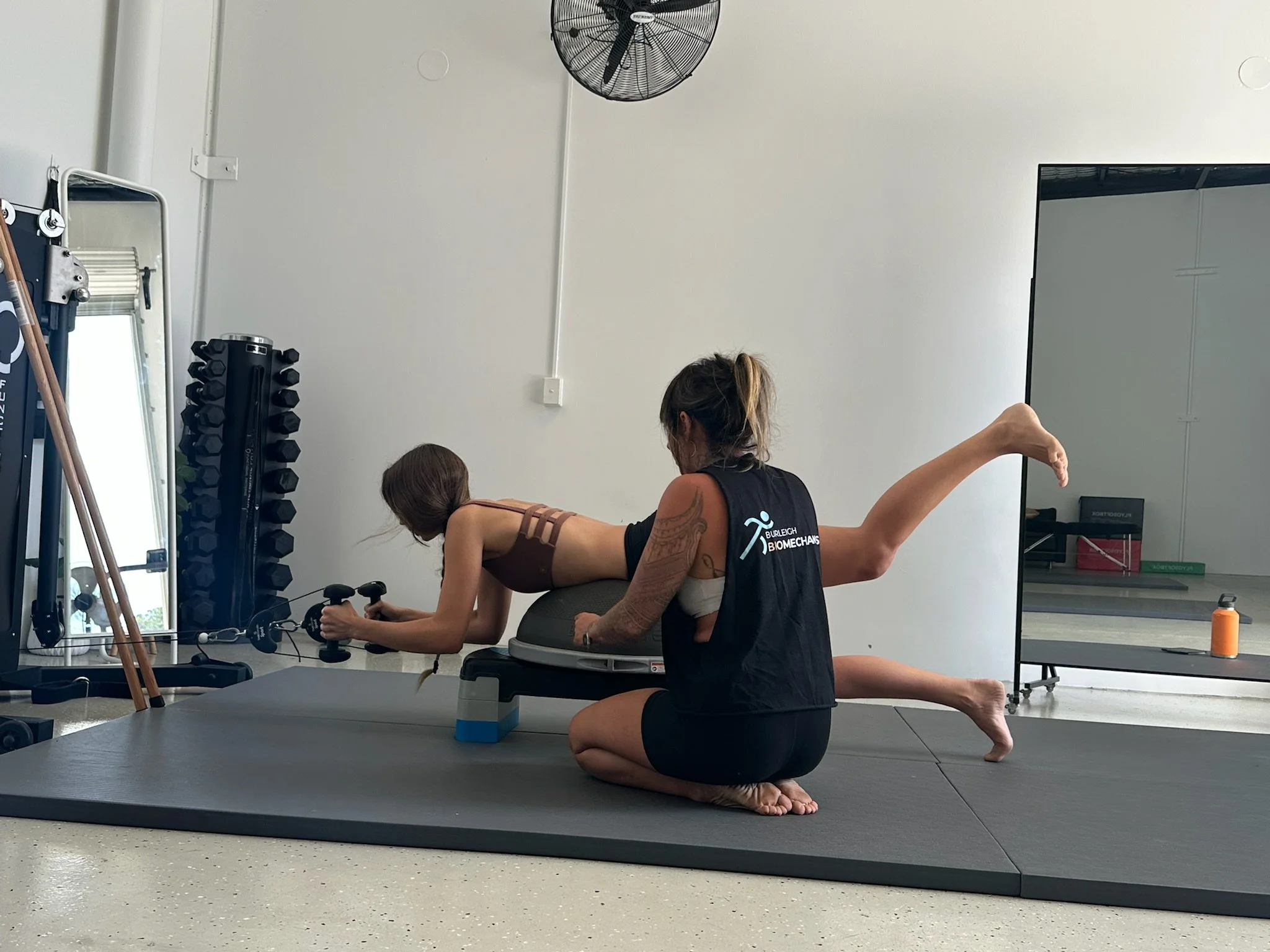
Gentle doesn’t mean appropriate.
When mechanics are off:
low-load repetition can accumulate irritation
instability compounds over time
compensations become ingrained
symptoms become unpredictable
Precision matters more than intensity.
How Do Our Clients Feel?
-
My training with Jen has been very encouraging and educational. I have a large repertoire of exercises I can take home and integrate into my daily life. The other benefits which have been notable are nervous system regulation, improved sleep and no more hip and knee pain! Thank you Jen!
Adrianna, 5 Star Google Review
-
I am able to stand for long periods of time without feeling pain in my hips and lower back, which I haven’t been able to do for years. Functional Patterns has really helped me being able to complete daily activities without pain.
James, 5 Star Google Review
-
I was in constant pain prior to starting and had been for 5 years due to old accidents and bad posture. I'm still learning techniques at the moment but my pain has reduced considerably and I'm feeling less anxious as a result.
Joanna, 5 Star Google Review
Book An Initial Appointment
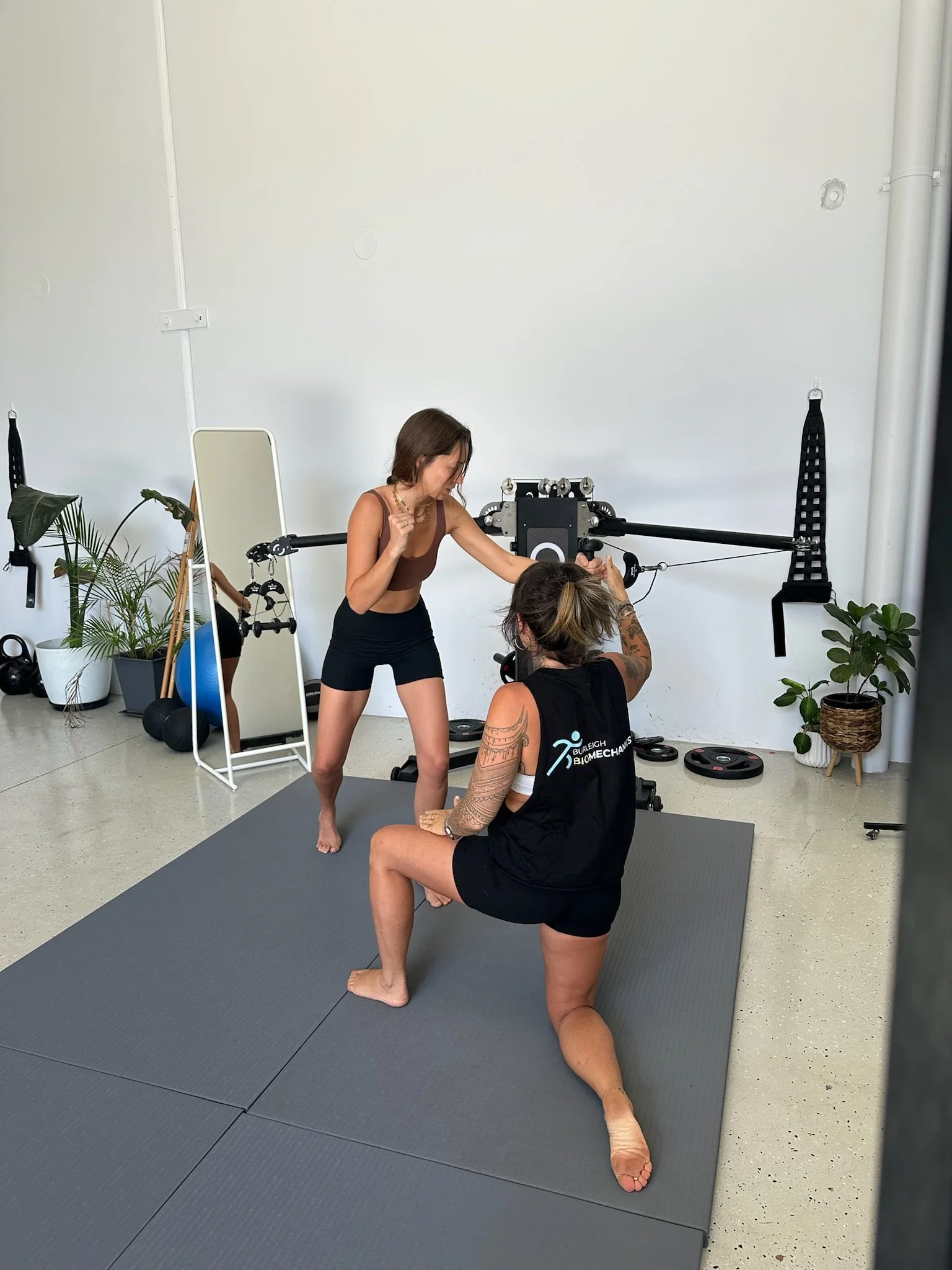
Here’s What You’ll Get in Your First 90 Minutes
If you’ve tried standard rehab approaches without lasting success, this offers a different lens.
In your assessment, we’ll focus on:
How your body actually holds and moves—not just how flexible it is
Why certain movements flare symptoms while others feel oddly “safe”
Patterns behind pain, fatigue, instability, and shutdown
A clear explanation that finally connects the dots
Next steps that won’t push you into another crash
📍 Burleigh Heads, Gold Coast
📅 Appointments by booking only



How Do Our Clients Feel?
-
After a road traffic accident 2 years ago my body encountered a mix of injuries that occured within that time. I don't quite know where I would be if I hadn't found this high-quality, dependable and specialised approach. The education and training is completely impressive!.
Carey, 5 Star Google Review
-
Jen is a great mentor with a deep understanding of the body. It has helped me better understand my own body and scoliosis. I have been able to increase my strength and movement and reduce my back pain.
Hayley, 5 Star Google Review
-
Been training with Louis 6+ years and have seen massive improvements in my posture and gait cycle which has lead me to living pain-free from previous injuries such as shoulder pain, quad tears and bone impingement in my ankle. The attention to detail from the practitioners is unmatched
Luke, 5 Star Google Review
FAQs
Do I need an EDS diagnosis?
No. Many clients present with hypermobility traits without a formal diagnosis.
Is this physiotherapy?
No. We are a biomechanics-focused movement clinic. We do not provide medical treatment or diagnosis.
Will this help POTS or dysautonomia?
We don’t treat autonomic conditions directly, but improving mechanics and movement efficiency often reduces physiological stressors that worsen symptoms.
Will I be pushed hard?
No. Load is progressed deliberately and safely.
Ligament healing varies depending on how well the lower limb and pelvis are controlling movement. When gait mechanics are corrected early, ATFL and ankle ligament injuries typically stabilise faster and with fewer reinjuries.
Free 3-Page Guide
The 5 Mistakes That Keep Injuries Coming Back
Learn what’s preventing your injury from fully resolving — and how to fix the underlying movement pattern for good.

Areas We Serve
We help clients from across the southern Gold Coast, including:
Burleigh Heads
Palm Beach QLD
Miami
Currumbin
Tallebudgera
If you’re searching for a Burleigh physio, Palm Beach physiotherapy, or even acupuncture in Burleigh, we’re right here on the border of Burleigh and Palm Beach.