
How Posture Contributes to Headaches & How to Fix It
Headaches and posture are more connected than you might think. Many people blame tension or stress for their headaches, but bad posture and headaches often go hand in hand. Whether you're dealing with throbbing pain at the base of the skull or tightness spreading across your head and neck, your posture might be the root cause.
In this blog, we’ll explore five solid ways poor posture can lead to headaches and explain how the Functional Patterns Method offers a permanent solution to both headaches and posture problems.
1. Poor Head Posture Overloads the Cervical Vertebrae
When you spend a lot of time looking down at a screen, your head shifts forward. This “forward head posture” puts excessive strain on your cervical vertebrae, which are designed to support the weight of your head when it’s aligned over your spine.
Every inch your head moves forward increases the load on your neck, leading to neck pain, muscle tension, and tension type headaches. Functional Patterns addresses this by aligning your head and neck through good posture practices that reduce stress on the cervical spine, allowing your body to move freely without compressive forces causing pain.

Functional Patterns Before & After
2. Joint Stacking Reduces Tension
Your body functions best when your joints are "stacked" in alignment—hips over knees, knees over ankles, and your head over your shoulders. When this alignment is off, your neck muscles have to compensate, causing them to contract excessively.
This compensation not only leads to pain and headaches, but it also creates imbalances that affect how your entire body moves. Functional Patterns training helps restore natural joint stacking, so your body operates efficiently, eliminating the tension that often triggers headaches and posture-related discomfort.
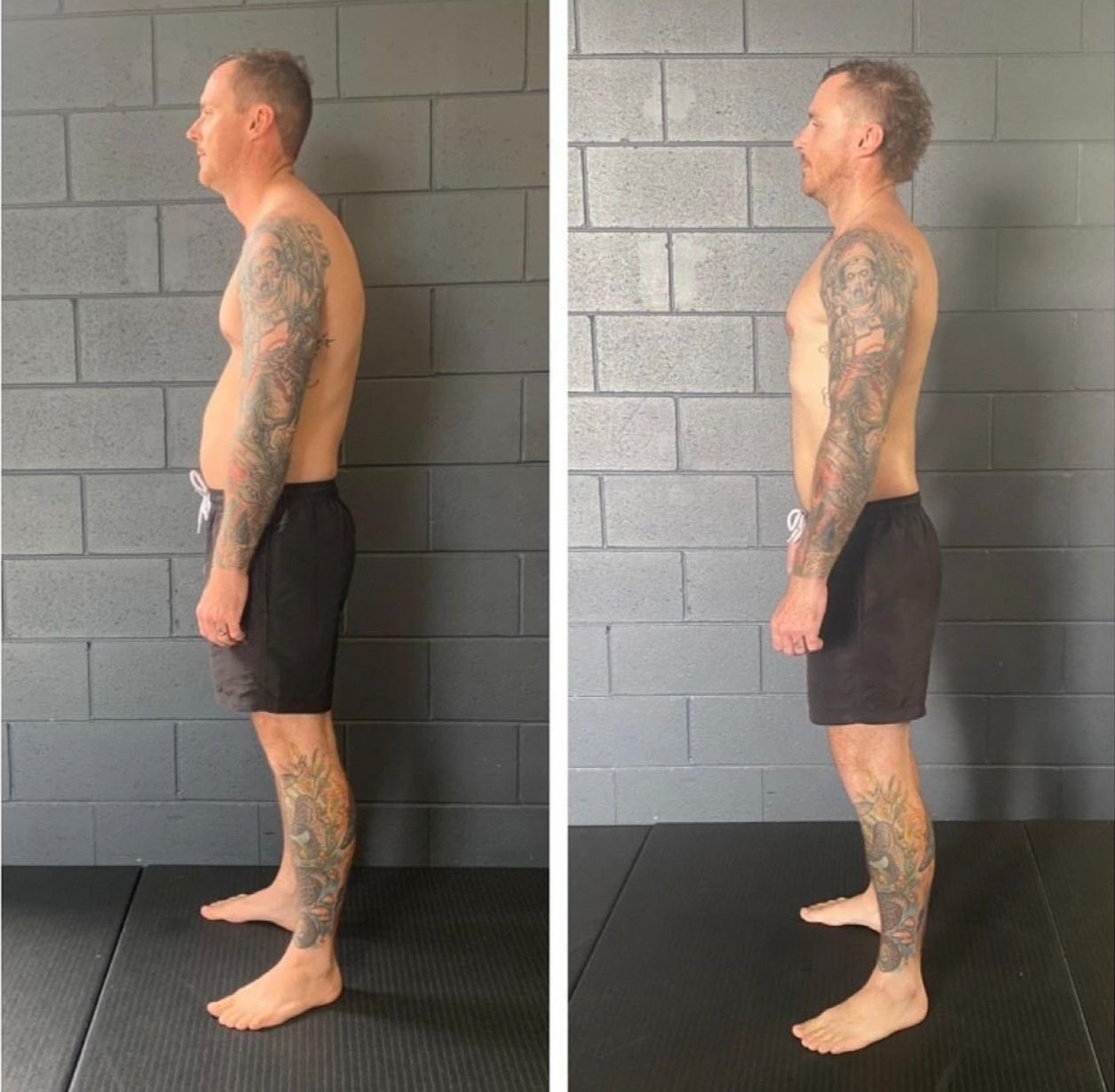
Functional Patterns Before & After
3. Tensegrity Supports the Head and Neck
The concept of tensegrity—a balance between tension and compression in your body—explains why poor posture can lead to headaches. When tensegrity is compromised, one area of your body (like your shoulders or shoulder blade) overcompensates for weak or misaligned structures.
This imbalance can create myofascial trigger points, which are knots in the fascia that often refer pain to other areas, including the head. Functional Patterns restores tensegrity by training your body as an integrated system, so every structure supports the others, reducing the risk of tension-related headaches.
4. Flaccid Neck Muscles Masking as Tightness
Do your neck muscles feel tight? You might be surprised to learn that they could actually be weak. Bad posture often leads to muscles that are too weak to hold your head in the right position, forcing other muscles to take over and work harder.
This muscle imbalance creates a domino effect, leading to strain and tension type headaches. Functional Patterns targets the root cause by addressing flaccid muscles, retraining them to support the head and neck correctly. This removes the burden from overworked muscles, breaking the cycle of tension and pain.
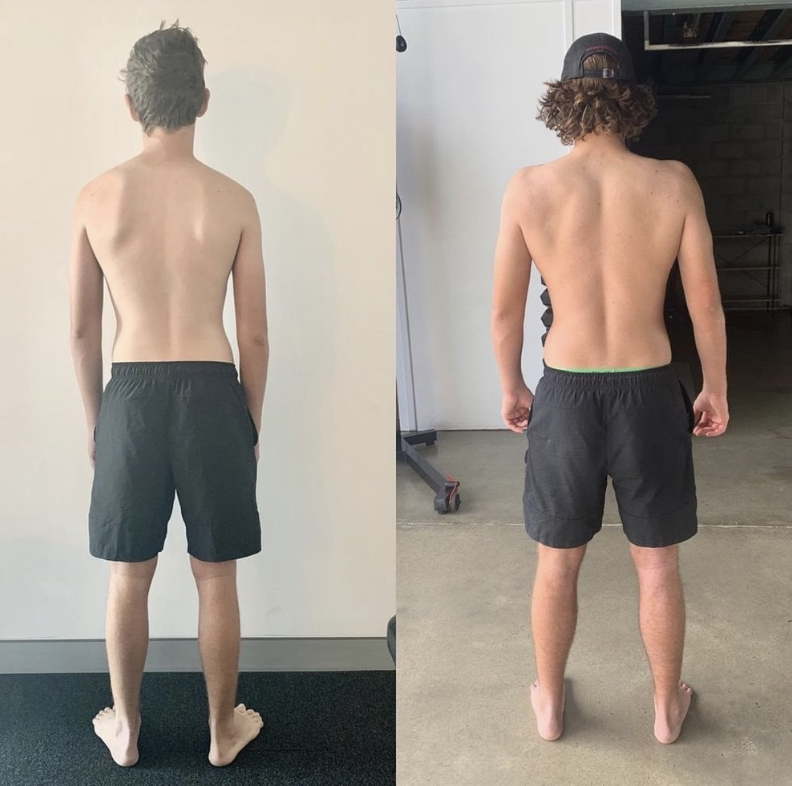
Functional Patterns Before & After
5. Poor Posture Impacts Blood Flow and Nerve Function
Slouching and misalignment can compress blood vessels and nerves at the base of the skull, reducing oxygen and nutrient flow to your brain. This compression can trigger poor posture headache symptoms like throbbing pain and even dizziness.
Functional Patterns improves circulation by teaching you to sit up straight and move with proper alignment, ensuring optimal blood flow and nerve function. This approach not only helps relieve existing headaches but also prevents them from returning.
Why Functional Patterns Is the Solution
Functional Patterns doesn’t just focus on "quick fixes" like physical therapy exercises or stretches. It uses biomechanical principles to address the root causes of bad posture and its effects. Here’s how:
Joint Alignment: Functional Patterns training emphasizes proper joint stacking to reduce strain on your spine and neck.
Movement Efficiency: By restoring tensegrity, the method retrains your body to move as an integrated system, eliminating the imbalances that lead to headaches and posture issues.
Targeted Strengthening: Weak, flaccid muscles are activated and strengthened to hold your body in alignment, relieving tension at the base of the skull.
Long-Term Results: Unlike temporary solutions, Functional Patterns provides a sustainable approach to improve posture and prevent pain and headaches from recurring.
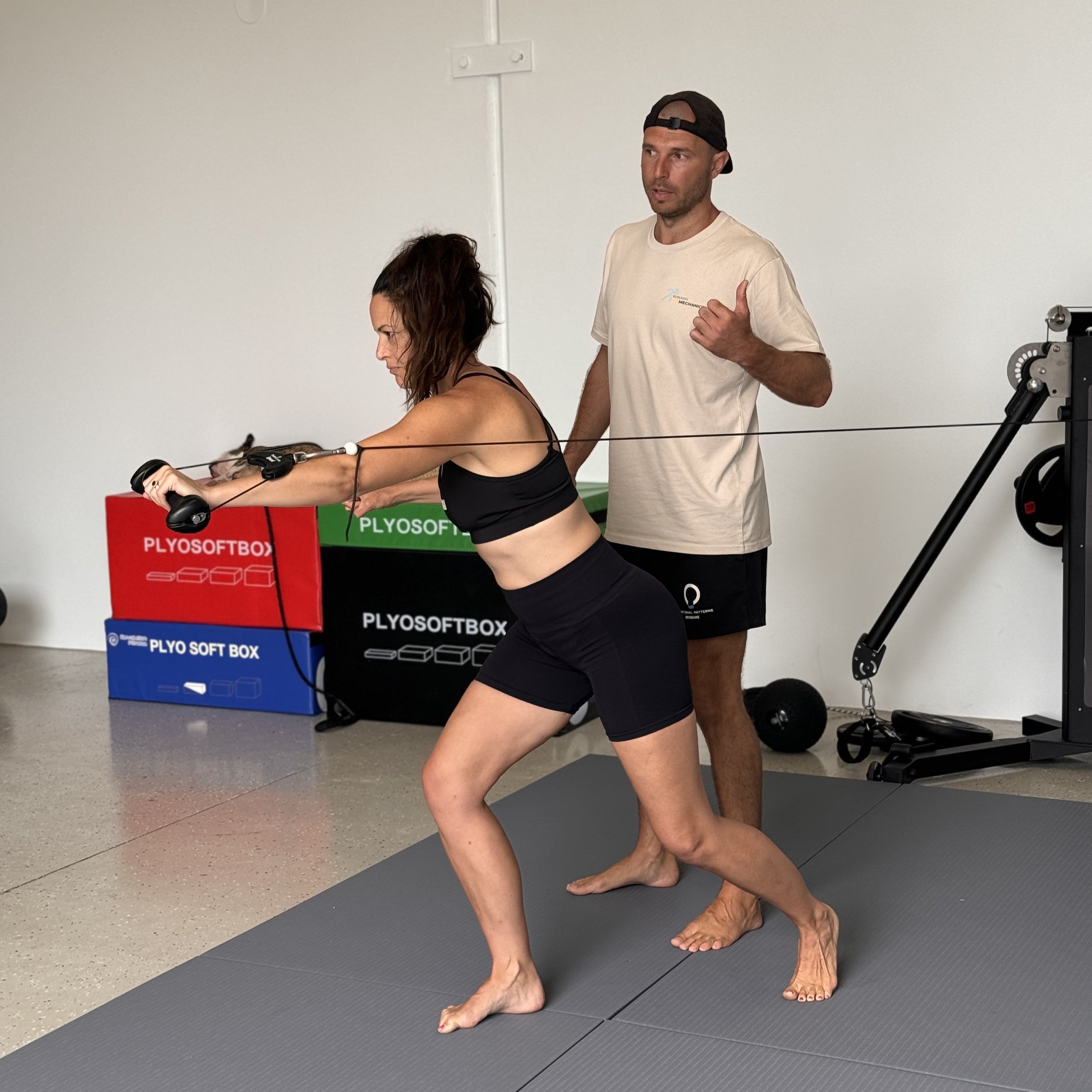
Functional Patterns Training at Burleigh Biomechanics
Practical Steps to Get Started
If you're struggling with bad posture and headaches, here’s how you can take action today:
Be Mindful of Your Posture: Check in with your body throughout the day. Is your head stacked over your shoulders? Are you slouching? Adjust as needed.
Incorporate Movement: Don’t just sit up straight—move! Your body is designed for dynamic movement, not static positions. The complicated thing is, most movements we used these days are terrible for posture. Invest in Functional Patterns training to find out what movements will actually help your posture.
Seek Professional Help: Functional Patterns practitioners specialise in assessing your body’s unique imbalances and creating a personalised plan to fix them.
To Wrap Things Up
The link between headaches and posture is clear, but the solution doesn’t have to be complicated. While common advice like stretching or using physical therapy might provide temporary relief, Functional Patterns offers a permanent, biomechanical approach that transforms your posture—and your life.
By focusing on good posture, proper alignment, and dynamic movement, you can finally free yourself from the cycle of pain and headaches. Whether you’ve been battling tension type headaches or struggling with neck pain, the Functional Patterns Method can help you address the root cause and build a body that supports itself naturally.
Q&A
Question: How does forward head posture cause headaches?
Short answer: When your head drifts forward (often from looking down at screens), it overloads the cervical vertebrae that are meant to support your head only when it's stacked over your spine. Every inch forward increases the load on your neck, driving muscle tension, neck pain, and tension-type headaches. Functional Patterns addresses this by realigning your head and neck, reducing compressive forces on the cervical spine so you can move without triggering pain.
Question: What is "joint stacking," and why does it matter for headaches?
Short answer: Joint stacking means aligning major joints---hips over knees, knees over ankles, and head over shoulders. When this alignment is off, neck muscles must overwork to keep you upright, leading to excessive contraction, pain, and posture-triggered headaches. Functional Patterns restores natural joint stacking so your body moves efficiently and tension doesn't build in the neck and head.
Question: What does "tensegrity" mean, and how can it relate to headaches?
Short answer: Tensegrity is the balanced interplay between tension and compression throughout your body. Poor posture disrupts this balance, forcing certain areas (like the shoulders or shoulder blade) to overcompensate. That imbalance can create myofascial trigger points---knots that often refer pain to the head. Functional Patterns trains your body as an integrated system to reestablish tensegrity, lowering the likelihood of tension-driven headaches.
Question: My neck feels tight---could it actually be weak?
Short answer: Yes. With bad posture, some neck muscles become too weak (flaccid) to hold your head in the right position, so other muscles overwork and feel tight. This imbalance can set off a chain reaction that culminates in tension-type headaches. Functional Patterns targets those underactive muscles and retrains them to support the head and neck correctly, easing the burden on overworked tissues and reducing pain.
Question: How can I start fixing posture-related headaches today?
Short answer: Begin by checking your alignment---keep your head stacked over your shoulders and avoid slouching. Add movement throughout the day rather than relying on static "sit up straight" cues alone. Because slouching can compress blood vessels and nerves at the base of the skull---reducing oxygen and nutrient flow and triggering throbbing pain or dizziness---learning to move with proper alignment is key. For a long-term solution, work with a Functional Patterns practitioner to assess your unique imbalances, restore joint stacking and tensegrity, strengthen weak areas, and build sustainable posture habits.
Question: Can poor posture really affect blood flow and nerves, causing headaches or dizziness?
Short answer: Yes. Slouching and misalignment can compress blood vessels and nerves at the base of the skull, reducing oxygen and nutrient flow to the brain. That compression can trigger throbbing headaches and even dizziness. Functional Patterns focuses on teaching you to sit up straight and move with proper alignment to improve circulation and nerve function—helping relieve symptoms and prevent them from returning.
Question: Why isn’t “just sit up straight” enough to fix posture-related headaches?
Short answer: Your body is designed for dynamic movement, not static positions. Simply cueing yourself to sit up straight doesn’t resolve the underlying movement inefficiencies that keep pulling you out of alignment. Functional Patterns restores efficient movement by emphasizing joint stacking and whole-body tensegrity, while strengthening underactive (flaccid) muscles so alignment holds during real-life motion, not just while you’re sitting still.
Question: What are myofascial trigger points, and how might they be causing my headaches?
Short answer: Myofascial trigger points are knots in the fascia that can refer pain to other areas—often the head. When posture disrupts your body’s tensegrity, certain regions (like the shoulders or shoulder blade) overcompensate, creating these trigger points. Functional Patterns retrains the body as an integrated system to rebalance tension and compression, reducing the trigger points that contribute to tension-type headaches.
Question: How does screen time lead to cervical overload and headaches?
Short answer: Looking down at screens shifts your head forward, which overloads the cervical vertebrae designed to support your head only when it’s stacked over your spine. Every inch forward increases neck load, driving muscle tension, neck pain, and tension-type headaches. Functional Patterns realigns the head and neck to reduce compressive forces on the cervical spine so you can move without provoking pain.
Question: How is Functional Patterns different from typical stretches or physio exercises for headaches?
Short answer:Instead of quick, temporary fixes, Functional Patterns targets root causes of bad posture and headache triggers. It emphasizes precise joint alignment (joint stacking), restores whole-body tensegrity for efficient movement, and strengthens weak, underactive muscles so they can properly support the head and neck. The result is a sustainable, long-term approach that reduces strain at the base of the skull and helps prevent headaches from recurring.